My teenage daughter says that school is boring. She was very creative as a little kid. What are some ideas for sparking that creativity again?
Parents must know that there are different kinds of intelligence. Math, science, and english classes measure intelligence with numbers and words. They reflect a traditional definition of ability. The truth is that all kids and teens are smart — they just express their intelligence in varied and magical ways. Parents must first learn what kinds of intelligence their kids have in order to nurture and strengthen them. When you’ve discovered what they are, help your teen find activities, at school or within the community, that develop them. Here are 5 other ways teens can display intelligence: 1. musical (sing, compose and read songs), 2. interpersonal or social (enjoy groups, perceive motivations, display empathy), 3. spatial (take things apart. work visually with paints, design, light or architectural drawings), 4. intrapersonal (deeply aware of one’s thoughts and feelings and talk about experiences), and 5. bodily-kinesthetic (coordinate fine and gross motor movements — dance, sports, etc). Parents, remember to broaden your definition of intelligence. In doing so, you free a teen and spark creativity again.
Be sure to check out the Chapter of the Week. (...continue reading)
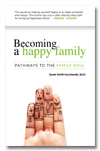
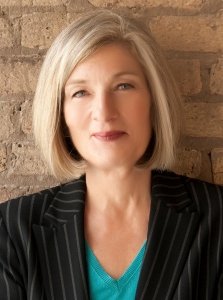 Dr. Susan Smith Kuczmarski has taught at 8 universities, now at Northwestern University and Loyola University in Chicago. She is an award-winning author of 6 books, 3 on families and 3 on leadership, including her newest, Becoming A Happy Family: Pathways to the Family Soul (2015), and her best-selling, The Sacred Flight of the Teenager: A Parent’s Guide to Stepping Back and Letting Go, which was released (2019) in Egypt in Arabic. Trained as a cultural anthropologist, she has researched extensively how children learn social skills and teens become leaders. A frequent radio and television guest, she has appeared on "The Today Show" and speaks regularly to parents and educators. Listed in Who's Who in the World for 12 years and an International Fellow of Columbia University, her 35 years of college teaching and research have made her an expert on issues devoted to the contemporary family.